🍲 Experience Chanko Nabe in Kyoto: Discover a Different Side of Japanese Food Culture
2026.07.14Many travelers visiting Kyoto come to admire its historic temples, shrines, and beautiful gardens. But beyond its famous landmarks, Kyoto also offers a rich culinary tradition worth exploring.
One unique experience is enjoying chanko nabe at Kyoto Sumo Stable, where the menu is supervised by a former sumo wrestler. By comparing this hearty hot pot with Kyoto’s refined cuisine, you’ll gain a deeper appreciation of Japan’s diverse food culture.
In this article, we’ll introduce chanko nabe through the lens of Kyoto’s culinary traditions and explore what makes each style unique.
🥢 What Is Chanko Nabe?
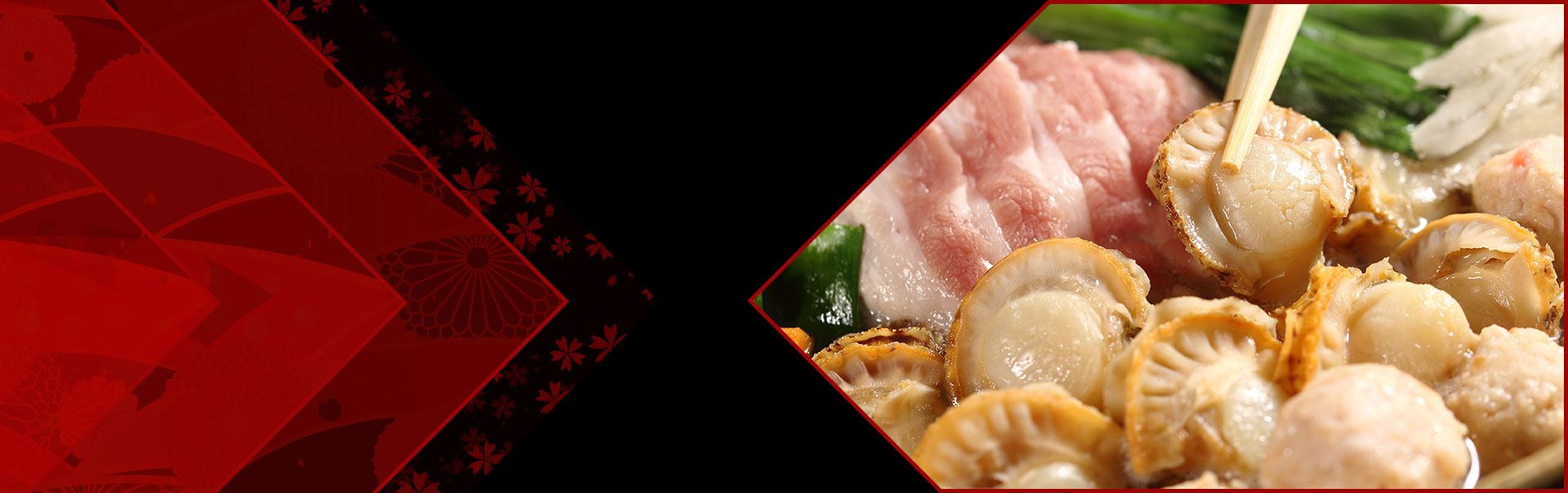
Chanko nabe is a nutritious hot pot traditionally prepared for sumo wrestlers to support their intense training.
Its key characteristics include:
- Well-balanced nutrition: Packed with protein from chicken, fish, and tofu, along with plenty of vegetables.
- Shared dining: Everyone gathers around one large pot, making the meal a social experience.
- Generous portions: Designed to replenish energy after rigorous training.
Compared with Kyoto cuisine, chanko nabe clearly emphasizes hearty portions and practical nourishment.
🍡 Comparing Chanko Nabe and Kyoto Cuisine

Broth
Chanko Nabe
- A savory broth typically made from chicken stock, kombu (kelp), and bonito flakes, often seasoned with salt.
Kyoto Cuisine
- Traditional Kyoto dishes use delicate dashi made from kombu, bonito, and sometimes shiitake mushrooms to highlight the natural flavors of seasonal ingredients.
The Difference
Chanko nabe focuses on rich nourishment to fuel the body, while Kyoto cuisine celebrates subtle flavors that delight all five senses.
Ingredient Preparation
Chanko Nabe
- Ingredients are cut into larger pieces for easy simmering and satisfying bites.
Kyoto Cuisine
- Ingredients are carefully sliced and artfully arranged, emphasizing elegance, texture, and presentation.
The Difference
Kyoto cuisine reflects refined aesthetics, whereas chanko nabe prioritizes practicality and comfort.
Dining Style
Chanko Nabe
- A communal meal where everyone shares the same pot.
Kyoto Cuisine
- Often served as kaiseki, with individual courses beautifully plated and presented in sequence.
The Difference
One celebrates togetherness; the other highlights each dish as an individual work of art.
🍲 Enjoy the Side Dishes Too
At Kyoto Sumo Stable, you’ll also find a variety of delicious side dishes:
- Inari Sushi: Sweet and savory fried tofu pockets filled with sushi rice—a favorite throughout Kyoto.
- Japanese Fried Chicken (Karaage): Crispy and juicy, offering a flavorful contrast to Kyoto’s traditional vegetarian temple cuisine.
- Edamame and Small Side Dishes: Perfect for balancing flavors and adding variety to the meal.
Kyoto cuisine is known for its subtle seasoning and elegant presentation, while chanko meals emphasize bold flavors and satisfying portions. Experiencing both styles side by side makes the meal even more memorable.
🥢 How to Enjoy Chanko Nabe
- Start by tasting the broth to appreciate its rich umami.
- Enjoy the vegetables, meat, and tofu as they simmer.
- Alternate with side dishes like karaage or inari sushi for contrasting flavors.
- Finish the meal with udon noodles or rice porridge (zosui), cooked in the remaining broth.
As you dine, imagine the elegance of Kyoto cuisine while embracing the warmth and generosity of chanko nabe. Comparing the two creates a richer cultural experience.
🎎 Understanding the Cultural Background
Chanko Nabe
- Built around strength, nutrition, teamwork, and communal life within the sumo stable.
Kyoto Cuisine
- Rooted in aesthetics, seasonality, hospitality, and centuries of culinary tradition.
Understanding these different philosophies transforms an ordinary meal into a meaningful cultural experience.
🌏 Tips for Travelers
- Visit during Kyoto’s colder months to warm up with a comforting pot of chanko nabe.
- Don’t miss the side dishes, especially karaage and inari sushi.
- Compare the meal with Kyoto’s traditional cuisine to gain a deeper appreciation of Japanese food culture.
- English menus are available, and the staff are happy to answer your questions.
🍽 Conclusion

Chanko nabe offers a completely different dining experience from Kyoto’s traditional cuisine. While Kyoto cuisine is celebrated for its elegance and refinement, chanko nabe is loved for its generous portions, comforting flavors, and communal spirit.
Experiencing both allows you to discover two distinct yet equally fascinating aspects of Japanese culinary culture.
As you conclude your Kyoto journey, enjoy a bowl of authentic chanko nabe and experience firsthand the unique contrast between the world of sumo and the traditions of Kyoto.
👉 Visit the official Kyoto Sumo Stable website for more information.
We sincerely look forward to welcoming you to Kyoto and to Kyoto Sumo Stable.
Kyoto Sumo Stable
======================================================================================
🍲 京都旅行で体験!ちゃんこ鍋を京都の食文化と比べながら楽しむ
京都を訪れる旅行者の多くは、歴史ある神社や寺院、美しい庭園を楽しむだけでなく、地元の食文化にも興味を持っています。
その中でも、元力士監修の 京都相撲部屋でのちゃんこ鍋体験 は、京都の伝統的な食文化と比較しながら楽しめるユニークな体験です。
この記事では、ちゃんこ鍋と京都の食文化を比較する視点で、食事の楽しみ方や文化背景を紹介します。
🥢 ちゃんこ鍋とは?
まず基本として、ちゃんこ鍋は力士のために作られる栄養満点の鍋料理です。
特徴は以下の通りです:
- 栄養バランス:たんぱく質(鶏肉、魚、豆腐)と野菜がたっぷり
- コミュニティ性:大きな鍋をみんなで囲む
- ボリューム:稽古後の体力補給のために大盛り
京都の料理と比べると、ボリューム重視・力士向けの食文化であることが際立ちます。
🍡 京都の食文化との比較
- 出汁の使い方
- ちゃんこ鍋:鶏ガラ・昆布・かつおを組み合わせたシンプルで滋味深い塩ベース
- 京都料理:京料理では、昆布やかつお、椎茸で出汁をとり、素材の色・形・味の繊細さを重視
→ ちゃんこは「力士の体を支える濃厚さ」、京料理は「五感で楽しむ繊細さ」が対照的です。
- 食材の切り方
- ちゃんこ鍋:大きめにカットして、煮込んで食べやすくする
- 京料理:薄切りや小さく整えて盛り付け、美しさと食感を重視
→ 京都らしい美意識と、ちゃんこの実用性の違いを楽しむことができます。
- 食事のスタイル
- ちゃんこ鍋:みんなで鍋を囲む「共有スタイル」
- 京都料理:懐石料理のように個々に盛り付け、順番や料理の見せ方にこだわる
→ 「みんなで食べる楽しさ」と「一品一品を味わう楽しさ」を比べながら体験できます。
🍲 サイドメニューも文化の違いを楽しむ
京都相撲部屋では、ちゃんこ鍋の他にサイドメニューも充実しています:
- いなり寿司:甘辛い油揚げに酢飯を包む、京都でも親しまれる味
- 唐揚げ:ジューシーな揚げ物、京都の精進料理とは対照的
- 枝豆や小鉢:味や色のバランスを整える役割
視点:京都では薄味や見た目の美しさを重視するのに対し、ちゃんこ鍋では味の濃さや量が重要。
この違いを意識しながら食べると、食文化の奥深さがより楽しめます。
🥢 食べ方の楽しみ方
- まずは鍋のスープを味わい、素材の旨味を感じる
- 次に野菜や肉を取り分けて食べる
- サイドメニューや唐揚げを挟むと、味のコントラストが楽しめる
- 最後にうどんや雑炊で〆る
ポイント:京都の繊細な料理をイメージしながら、ちゃんこ鍋の大胆さや温かさを味わうと、両者の文化を同時に体験できます。
🎎 文化的背景の違いを知る
- ちゃんこ鍋:力士の体作り・仲間との共同生活
- 京料理:美意識・季節感・おもてなし
この違いを意識するだけで、食事そのものが文化体験に変わります。
🌏 旅行者へのアドバイス
- 冬の京都なら、ちゃんこ鍋で体の芯から温まる
- サイドメニューや唐揚げ、いなり寿司もぜひ味わう
- 食べるときに「京料理との違い」に目を向けると、より深い体験に
- 英語メニュー対応で安心、スタッフに質問も可能
🍽 まとめ
ちゃんこ鍋は、京都の伝統的な食文化とは違う「ボリュームと共有」が魅力の料理です。
でも、京料理との比較を意識しながら食べると、味・見た目・文化の違いを楽しむ新しい視点が生まれます。
京都観光の締めくくりには、ぜひ ちゃんこ鍋を味わいながら、京文化との違いも感じる食体験 を楽しんでください。
スタッフ一同あなたのご来京、ご来店を心よりお待ちしています。
京都相撲部屋
